
A Roman Heritage Trail Bulgaria and Turkey offers an unforgettable journey through cities, archaeological sites, ancient roads, temples, theatres, and imperial monuments. Both countries preserve important remains from the Roman Empire, making them ideal destinations for travellers interested in history and archaeology.
From the streets of ancient Constantinople to the Roman ruins of Plovdiv, this route connects places that once formed part of a vast imperial network. Travellers can explore major cities while also discovering smaller archaeological sites away from the busiest tourist routes.
Begin Your Roman Journey in Istanbul
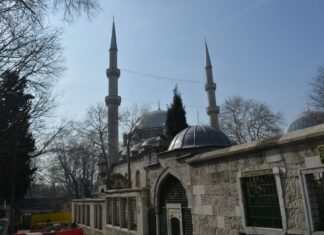
Istanbul provides an excellent starting point for a Roman heritage journey. Before becoming the centre of the Byzantine Empire, Constantinople developed from the ancient Greek settlement of Byzantium and later became an important Roman capital.
The Hippodrome remains one of the best places to understand imperial Constantinople. Although much of the original structure has disappeared, monuments such as the Obelisk of Theodosius still reflect the importance of the area.
Nearby, the Basilica Cistern demonstrates the impressive engineering used to provide water for the ancient city. The surviving sections of the Aqueduct of Valens offer another reminder of Roman infrastructure.
Travellers who want greater flexibility can arrange Tailor Made Istanbul Tours that focus on Roman, Byzantine, and archaeological heritage.
Explore Roman History Beyond Istanbul
A wider Roman Heritage Trail Bulgaria and Turkey can continue west through areas once connected by important military and commercial roads.
Ancient Roman routes linked Constantinople with settlements across Thrace and the Balkans. These roads helped soldiers, merchants, officials, and travellers move throughout the empire.
Edirne can serve as a useful stop before crossing into Bulgaria. Although the city is better known for its Ottoman heritage, its ancient predecessor Hadrianopolis developed during the Roman period.
The journey then continues into Bulgaria, where many impressive Roman remains survive.
Discover Ancient Plovdiv
Plovdiv is one of the highlights of any Roman heritage itinerary in Bulgaria. Known to the Romans as Philippopolis, the city became an important regional centre.
The Ancient Theatre is among Plovdiv’s most famous landmarks. Visitors can also explore sections of the Roman Stadium beneath the modern pedestrian centre.
Walking through the city reveals how Roman ruins exist beside Bulgarian National Revival houses and modern buildings. This combination makes Plovdiv especially interesting for travellers who enjoy exploring different historical periods in one place.
For a personalised journey through Plovdiv and other historic destinations, Customized Bulgaria Tours can connect archaeological sites according to your interests and available time.
Continue to Sofia and Ancient Serdica
Modern Sofia developed above the Roman city of Serdica. Archaeological remains can now be seen around the centre of the Bulgarian capital.
The Serdica archaeological complex allows visitors to walk among ancient streets, foundations, and buildings. Nearby landmarks reveal how the city continued developing through medieval, Ottoman, and modern periods.
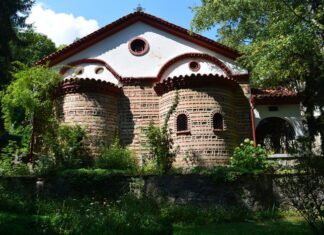
The Church of St George is another important historical landmark. Its Roman origins make it one of the most fascinating surviving structures in central Sofia.
Travellers can combine these archaeological attractions with museums that display statues, inscriptions, mosaics, jewellery, and everyday Roman objects.
Add Important Archaeological Sites
Travellers with extra time can extend the Roman Heritage Trail Bulgaria and Turkey to additional sites.
In Bulgaria, ancient settlements and Roman remains can be found around places such as Hisarya, Stara Zagora, and Veliko Tarnovo. Hisarya is especially known for its impressive Roman defensive walls and gates.
Turkey offers even more possibilities. Ephesus, Aphrodisias, Pergamon, Perge, and Hierapolis contain some of the most spectacular classical ruins in the region.
You can also explore our guide to UNESCO Sites in Bulgaria and Turkey when planning a longer cultural journey connecting archaeology with protected historical landmarks.
Plan Your Roman Heritage Journey
A complete Roman heritage itinerary can take between one and two weeks depending on how many archaeological sites you wish to include.
Comfortable shoes are essential because ancient streets often contain uneven stone surfaces. Spring and autumn usually provide pleasant conditions for walking around open archaeological areas.
A private guide can also help explain how Roman cities functioned and how later civilizations reused earlier buildings, roads, and monuments.
Combining Bulgaria and Turkey creates a journey across former Roman provinces, imperial capitals, trading centres, and archaeological landscapes.
For help creating your own Roman Heritage Trail Bulgaria and Turkey, Contact Us to arrange a personalised itinerary based on your travel dates, interests, and preferred pace.