
Two countries and many ways to mark the season
Easter traditions in Bulgaria and Turkey offer travelers a chance to experience spring through local customs, family gatherings, and religious heritage. The celebrations are not the same in every community, and Easter is not observed by everyone. In Bulgaria, Orthodox Easter is widely celebrated. In Turkey, Christian communities mark the holiday, with customs and services varying by church and community.
Easter dates can differ between Western and Orthodox calendars, so check the dates for your travel year before making plans. If you hope to attend a service or visit a church, confirm details locally and dress respectfully. Even without joining a celebration, you can learn about the season through local food, historic sites, and conversations with guides.
Begin in Bulgaria with color and shared food
In Bulgaria, Easter is often called Velikden, meaning “Great Day.” Red eggs are a familiar part of the holiday. Families may dye eggs before Easter Sunday, exchange them, and play a friendly egg-tapping game. Sweet bread called kozunak and a festive meal are also associated with the holiday.
Traditions vary from household to household, so a local guide or cultural visit can add context to what you see. The city of Plovdiv offers a rewarding setting for exploring Bulgarian history and architecture. A Plovdiv tour can help you connect the city’s historic layers with its present-day life. Check the tour schedule and holiday opening hours in advance, as arrangements may change around Easter.
Explore Istanbul’s Ottoman heritage
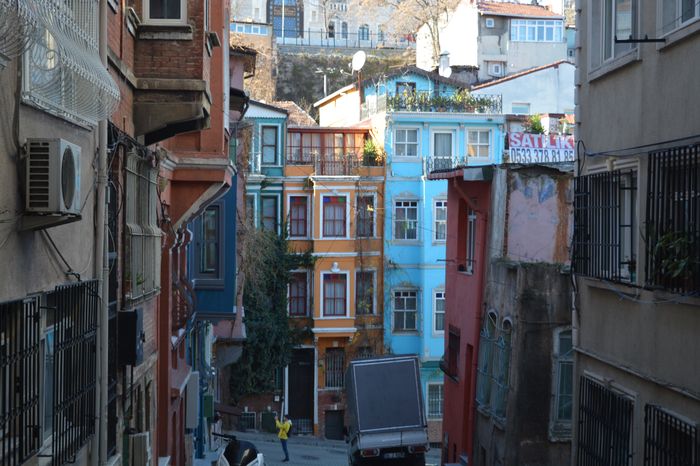
In Turkey, Easter is observed by Christian communities, including Orthodox, Armenian, and other churches. Istanbul’s long history includes many faiths and communities, making it a meaningful place to explore religious and cultural heritage. Services are specific to each congregation, so contact the relevant church directly for current dates, access, and visitor guidance.
You can also learn about the city’s broader history on an Ottoman Istanbul tour. Pair a guided visit with time to explore nearby streets at an unhurried pace. If you visit a place of worship, follow posted guidance, keep voices low, and ask before taking photographs.
Let the journey connect the customs
A trip combining Bulgaria and Turkey can bring together different city atmospheres and cultural experiences. Plan travel days carefully and avoid scheduling a major tour immediately after a long transfer. Spring weather can vary, so bring layers and check local forecasts as your departure approaches.
For another seasonal travel idea, read about an autumn road trip through the Balkans. Although the season is different, the route-planning approach can help you think about travel times, overnight stays, and how much room to leave for unplanned discoveries.
Travel with curiosity and respect
Easter is both a religious observance and a family occasion. Ask questions with care, follow local guidance, and remember that practices differ among communities. A little preparation helps you enjoy cultural experiences without treating a living tradition as a performance.
If you are planning a spring visit and need help shaping your itinerary, contact the team with your dates and interests. Mention which cities you hope to visit and whether you are looking for cultural tours, local experiences, or practical travel advice.
Easter traditions in Bulgaria and Turkey reveal distinct ways communities welcome the season. With confirmed dates, respectful visits, and a flexible itinerary, you can discover both countries through their history, food, and everyday life. For another planning question, you can get in touch here.