
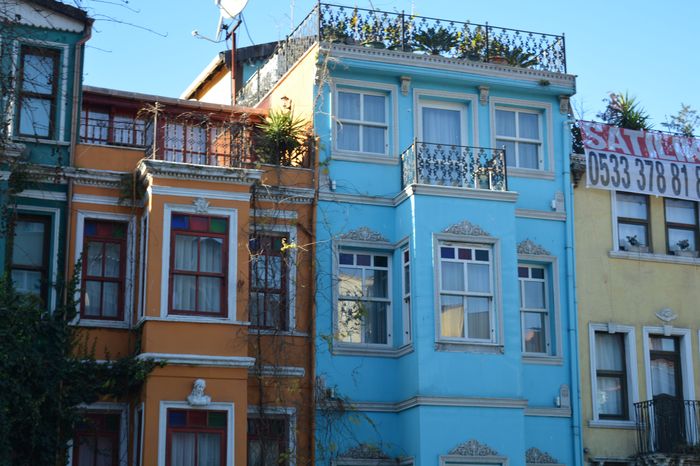
Read the region as a historical map
The shared Ottoman history of Bulgaria and Turkey is visible in city layouts, historic buildings, food traditions, and family stories. For travelers, these traces offer a way to understand how communities influenced one another over time. The history also includes periods of imperial rule, resistance, and national change, so it is best explored with care and context.
Ottoman rule over much of the lands that are now Bulgaria lasted from the late 14th century into the 19th century. In 1878, Bulgaria became an autonomous principality, and it declared full independence in 1908. These dates offer a starting point, but they do not tell every local story. The region’s past reaches further back and reflects many different peoples and political eras.
Look beneath Istanbul’s modern streets
Istanbul has served as a major center of power and exchange across several empires. Its streets and monuments preserve layers of history, from ancient settlements to Byzantine and Ottoman periods. Looking closely at a site’s different uses over time can reveal how cities adapt while carrying traces of earlier eras.
An Istanbul Photography Tour can help visitors connect visible remains with the broader story of the city. Ask your guide how a particular place changed over time, and how historians distinguish between evidence and later interpretation. That context makes the experience richer than simply collecting photographs of old buildings.
Follow Plovdiv through its many eras
Plovdiv is a useful place to explore how different periods overlap. Its history includes ancient, Roman, medieval, and Ottoman-era layers, alongside the life of a modern Bulgarian city. Streets, archaeological remains, and architecture can each offer clues, though no single monument tells the whole story.
A walk through Roman Plovdiv offers a way to focus on the city’s classical heritage. As you explore, notice how later buildings and neighborhoods sit alongside older remains. The contrast helps show that the history of Bulgaria and Turkey is part of a wider regional story, shaped by changing borders and communities.
Put Ottoman history in a longer timeline
Ottoman history is one important chapter, but it is not the only connection between the lands of modern Bulgaria and Turkey. Earlier cultures also left their mark across the region. Discover ideas about Thracian heritage across Bulgaria and Turkey to explore a much older cultural landscape and broaden the historical frame.
When discussing the Ottoman period, it helps to recognize both cultural exchange and the unequal realities of imperial rule. Food, language, crafts, and architecture can reflect centuries of contact, while local experiences of power and social change were not the same for every community. A thoughtful visit leaves room for more than one perspective.
Plan a visit that leaves space for learning
Choose a few sites rather than trying to cover every historic stop in a short trip. Guided visits, museum time, and unhurried walks can complement one another. Check opening times and tour details before you go, and leave room to ask questions or explore a neighborhood at your own pace.
If you would like help planning a history-focused journey, contact the team with your travel dates and interests. Mention which cities or historical periods you hope to explore so the conversation can focus on your plans.
The shared Ottoman history of Bulgaria and Turkey becomes easier to understand when viewed alongside the region’s older past and its modern identities. For another planning question, you can get in touch here.