
Begin with a map of the ancient world
Thracian heritage across Bulgaria and Turkey starts with a useful idea: the ancient Thracians were not one modern nation with fixed borders. The name refers to diverse peoples who lived across parts of the Balkans, including lands within present-day Bulgaria and European Turkey. Their communities changed over time and interacted with neighboring cultures.
That wider map makes a journey between the two countries especially interesting. Rather than looking for a single “Thracian route,” think of your trip as a series of clues. Archaeological sites, museum collections, and local landscapes each reveal a different part of the story.
Look for what survives in the landscape
In Bulgaria, Thracian tombs and burial mounds offer some of the most striking evidence of ancient life. Their architecture, painted interiors, and grave goods tell us about ritual and craftsmanship, though many details of Thracian beliefs remain uncertain. The Kazanlak Tomb, for example, is known for its Hellenistic-era murals, while other sites preserve very different forms and details.
As you travel, notice the setting as well as the monuments. Mounds and tombs are part of a wider landscape, not isolated objects. Museums can help explain how artifacts were found and what researchers can—and cannot—conclude from them. Check access arrangements before visiting archaeological sites, since some have limited hours or require a guide.
Use Istanbul as a modern cultural stop
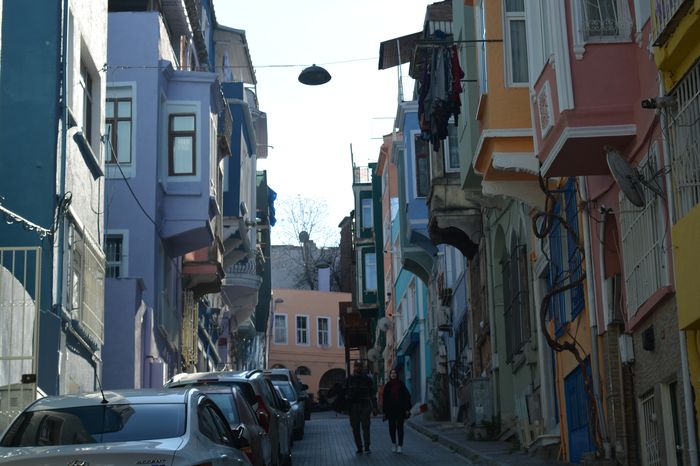
Istanbul can add a lively present-day chapter to a history-focused trip. Its food, neighborhoods, and historic streets reflect many layers of cultural influence. A local Istanbul food experience can introduce you to the city through its contemporary dining culture.
Enjoy that experience on its own terms. Modern dishes are not direct proof of ancient Thracian customs, but food can help travelers appreciate how cultures meet and change over time. For another perspective on regional flavors, read this Bulgarian and Turkish cuisine comparison. It offers a present-day lens on neighboring food traditions without flattening their differences.
Put ancient and medieval history side by side
A trip through Bulgaria can also introduce you to periods long after the Thracians. The Veliko Tarnovo tour focuses on a medieval chapter of Bulgarian history, offering a contrast with the ancient sites. Keeping these eras distinct makes the journey more meaningful: each place belongs to its own time and tells a different story.
If you are planning several stops, leave room between them for museums, local guides, and unhurried walks. A well-paced visit gives you time to connect what you see without treating every monument as part of the same historical narrative.
Travel with curiosity and context
The best way to explore Thracian heritage across Bulgaria and Turkey is to bring questions. Who built this site? What evidence supports the interpretation? Which later communities used or changed the place? A knowledgeable guide or museum visit can help you find careful answers.
For help planning a cultural journey, contact the team with your dates and the places you hope to include. Mention whether you are most interested in archaeology, city history, or a combination of experiences.
Ancient heritage becomes easier to understand when you see it alongside the many histories that came later. Take time to compare sites, keep their eras clear, and let the landscape add context to what you learn. If another planning question comes up, you can get in touch here.