
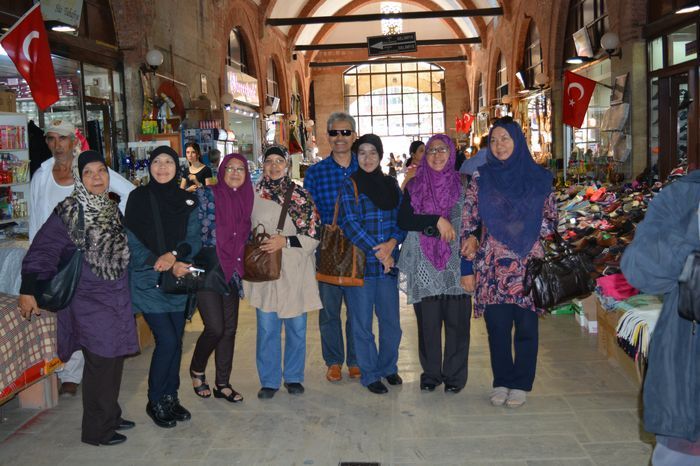
A Food Journey Through Bulgaria and Turkey is a delicious way to discover two countries connected by history, geography, and centuries of cultural exchange. From fresh Bulgarian salads and traditional pastries to Turkish meze, street food, and desserts, every region adds something different to the table.
Food travel is also about more than famous dishes. Local markets, family restaurants, bakeries, vineyards, coffee houses, and neighbourhood cafés offer opportunities to understand everyday life. A journey between Sofia and Istanbul can therefore become a cultural adventure built around flavour.
Begin With Traditional Food in Sofia
Start your culinary journey in Sofia, where traditional Bulgarian cooking can be enjoyed alongside the capital’s modern restaurant scene.
Try Shopska salad with tomatoes, cucumbers, peppers, and Bulgarian white cheese. Banitsa is another classic choice, especially for breakfast. This layered pastry appears in several regional varieties and remains a familiar part of Bulgarian cuisine. Bulgaria’s official tourism information also highlights banitsa, wine, yoghurt, seasonal vegetables, and traditional home cooking as important parts of local food culture.
Visit a food market when possible. Fresh produce, cheese, bread, herbs, preserves, and local products reveal another side of the country’s culinary traditions.
Travellers interested in combining gastronomy with history can include these experiences within a Balkan Cultural Tour.

Taste Plovdiv and the Thracian Region
Continue towards Plovdiv, where food can become part of a wider exploration of Roman heritage, the Old Town, and the creative Kapana district.
Enjoy a relaxed meal in the historic centre and look for seasonal Bulgarian dishes rather than limiting yourself to familiar international choices.
The surrounding Thracian region also makes Plovdiv a natural destination for travellers interested in vineyards. Local wine tastings can easily become part of a cultural road trip.
Our guide to the Wine Regions of Bulgaria and Turkey offers further inspiration for combining vineyards, local cuisine, and sightseeing.
Cross Into Turkey Through Edirne
Travelling from Bulgaria towards Istanbul brings another collection of regional flavours.
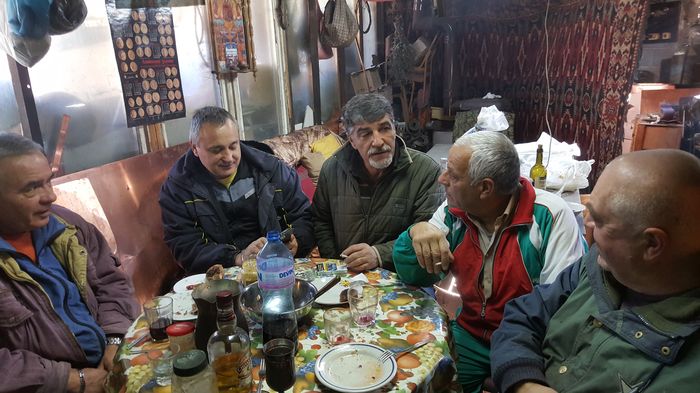
Edirne is an excellent place to stop before continuing to Istanbul. Its best-known local specialities include finely sliced fried liver, traditionally served with fried peppers. Turkey’s official tourism information identifies ciğer tava as one of Edirne’s characteristic dishes.
Do not rush your meal. Local restaurants, pastry shops, and cafés make food part of the experience rather than simply a break between attractions.
If you would like help creating a personalised culinary route with transportation and cultural visits, Contact Us and we can design the journey around your interests.
Discover Istanbul Through Its Food
Istanbul provides a spectacular conclusion to a Food Journey Through Bulgaria and Turkey.
Start the morning with a Turkish breakfast or keep things simple with simit, cheese, and tea. During the day, explore markets and neighbourhood restaurants where you can discover soups, grilled dishes, vegetables cooked with olive oil, seafood, börek, and meze.
Turkish cuisine includes a wide variety of meze, pastries, stuffed vegetables, grilled dishes, and regional specialities. Turkish coffee also holds an important place in the country’s social traditions.
The Spice Market and surrounding streets of Eminönü offer an enjoyable introduction to Istanbul’s food culture. Kadıköy on the Asian side provides another atmosphere with markets, bakeries, restaurants, and traditional food shops.
Families can combine sightseeing and local experiences through the Best Private Istanbul Tour For Families, adjusting the day around different ages and interests.
Save Room for Something Sweet
Desserts deserve their own place on this journey.
In Bulgaria, try regional pastries, yoghurt-based treats, fruit preserves, and seasonal desserts. In Turkey, baklava, sütlaç, lokum, and other sweets offer plenty of reasons to stop for coffee or tea.
A good culinary itinerary should never feel rushed. Leave space for unexpected cafés, local recommendations, small bakeries, and meals that last longer than planned.
A Food Journey Through Bulgaria and Turkey brings together markets, family traditions, regional ingredients, wines, street food, and centuries of shared culinary influences. By travelling slowly and tasting locally, visitors can discover both countries through one of the most enjoyable parts of their culture — the food.