
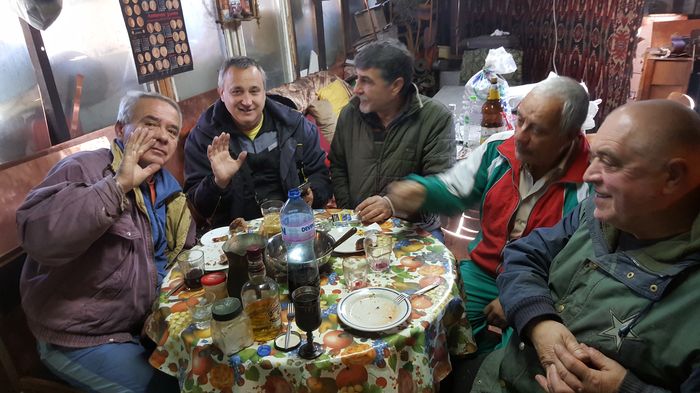
Exploring the Wine Regions of Bulgaria and Turkey offers a rewarding journey through vineyards, historic towns, regional cuisine, and centuries-old winemaking traditions. Both countries have diverse landscapes that support different grape varieties, from the fertile valleys of Bulgaria to Thrace and the Aegean regions of Turkey.
Wine travel also provides a slower way to experience local culture. Instead of moving quickly between famous attractions, visitors can meet producers, explore vineyards, taste regional food, and discover smaller communities away from the busiest tourist routes.
Discover the Thracian Valley in Bulgaria
The Thracian Valley is one of Bulgaria’s most recognised wine-producing areas. It stretches across the southern part of the country and includes destinations around Plovdiv, Stara Zagora, and the surrounding countryside.
The region produces both red and white wines, although it is especially associated with rich red varieties. Mavrud is one of Bulgaria’s best-known local grapes and is strongly connected with the area around Plovdiv and Asenovgrad.
Plovdiv makes an excellent base for combining vineyard visits with Roman archaeology, traditional architecture, and local restaurants.
Travellers interested in a broader cultural journey can combine wine experiences with a Balkan Heritage Tour through Bulgaria and neighbouring countries.
Explore the Melnik Wine Region
Southwestern Bulgaria offers another distinctive wine landscape around Melnik.
This small historic town is surrounded by sandstone formations, vineyards, and mountain scenery. The area is particularly associated with the local Shiroka Melnishka Loza grape.
Spend time walking through Melnik’s traditional streets before visiting a nearby winery. Many travellers also combine the area with Rozhen Monastery and the beautiful countryside.
The smaller scale of the region makes it particularly attractive for visitors who prefer relaxed tastings and family-run wineries.
Cross Into Turkish Thrace
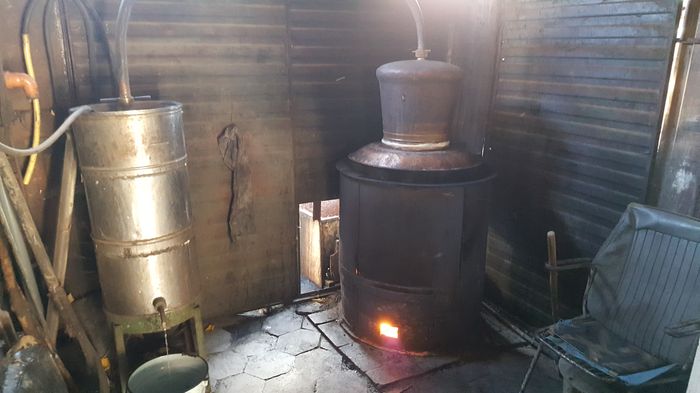
The Wine Regions of Bulgaria and Turkey naturally connect through Thrace, which extends across the modern border.
Turkish Thrace has a long agricultural tradition and several areas suitable for vineyard visits. The countryside between Edirne and the Sea of Marmara can be included in a cross-border food and wine itinerary.
Edirne itself adds Ottoman architecture, markets, regional cuisine, and historic streets to the journey. For inspiration, our Edirne and Plovdiv Twin City Break shows how these two cities can form part of a wider cultural route.
If you would like help arranging winery visits, private transportation, accommodation, and local guides, Contact Us and we can create a personalised wine journey.
Discover Turkey’s Aegean Wine Areas
Western Turkey offers some of the country’s most interesting vineyard landscapes.
The Aegean region benefits from a combination of sunshine, hills, valleys, and coastal influences. Areas around Izmir and inland towns produce a variety of wines using both local and international grapes.
Bozcaada is another interesting destination for wine lovers. The island combines vineyards with beaches, seafood restaurants, traditional streets, and a relaxed atmosphere.
Aegean wine travel can also be combined with archaeological destinations such as Ephesus and Pergamon.
Pair Wine With Local Food
Wine tasting becomes more enjoyable when combined with regional cuisine.
In Bulgaria, local cheeses, grilled meats, vegetables, breads, and seasonal dishes provide natural companions to vineyard visits. Turkey offers meze, seafood, grilled dishes, olive oil recipes, and regional specialities.
Ask producers which local foods they recommend with each wine. This creates a more authentic experience and helps visitors understand how wine fits into everyday culinary traditions.
Finish Your Journey in Istanbul
Istanbul provides an excellent ending to a Bulgaria and Turkey wine itinerary.
Although the city is not a major vineyard destination itself, it offers restaurants, wine bars, markets, and opportunities to taste products from different Turkish regions.
Travellers can combine food and wine experiences with the city’s historic neighbourhoods through the Best Istanbul Tour With Local Guide.
Plan a Relaxed Wine Route
Allow at least five to seven days for a cross-border itinerary, and longer if you want to include several vineyards.
Always book tastings in advance when possible, especially at smaller wineries. A private driver is also a practical choice for visitors planning several tastings in one day.
Exploring the Wine Regions of Bulgaria and Turkey brings together vineyards, local grape varieties, historic cities, regional food, and beautiful landscapes. It is an ideal journey for travellers who want to experience both countries at a slower and more personal pace.