

An Ottoman Heritage Route Through the Balkans offers a journey through architecture, craftsmanship, and the changing lives of historic cities. Mosques, markets, fountains, and bathhouses reveal how earlier generations organised worship, trade, and everyday activities.
This suggested route focuses on Istanbul, Edirne, Plovdiv, and Sofia. Following these cities connects Turkish and Bulgarian destinations while leaving space to explore their distinct local identities.
Begin With Istanbul’s Imperial Neighbourhoods
Start in Istanbul, where Topkapı Palace introduces the world of Ottoman government and court life. Continue towards Süleymaniye Mosque and its surrounding neighbourhood for another perspective on the imperial city.
UNESCO’s account of the Historic Areas of Istanbul highlights the Süleymaniye complex’s schools, library, baths, and other institutions. These buildings help explain how religious foundations supported wider urban life.
An Istanbul Custom Tour can bring together palace visits, mosque courtyards, and historic shopping streets. Choose a focused route with enough time to understand the details.
Discover Sinan’s Architecture in Edirne
Continue to Edirne, an earlier Ottoman capital and a rewarding destination for architecture enthusiasts. Its historic centre offers opportunities to compare monumental buildings with the smaller spaces around them.
Visit Selimiye Mosque and its Social Complex, which architect Mimar Sinan considered his most important work. Look at the relationship between its great dome, slender minarets, courtyard, and covered bazaar.
Allow time for the Old Mosque or Üç Şerefeli Mosque according to your interests. An overnight stay gives you more flexibility before crossing into Bulgaria.
Explore Plovdiv’s Ottoman Landmarks
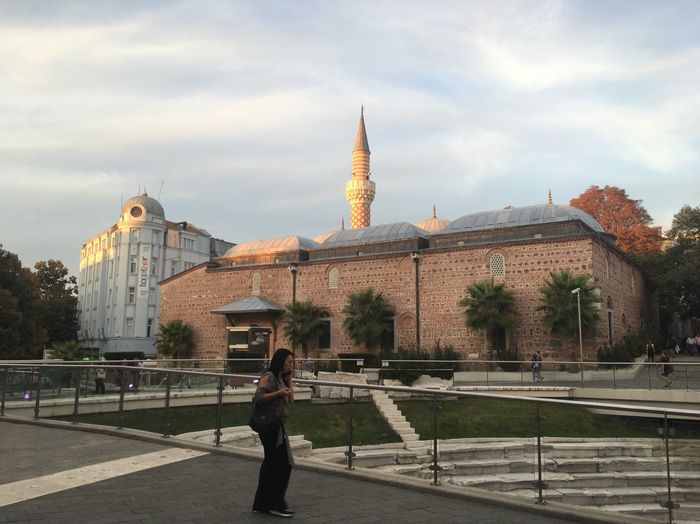
In Plovdiv, include Dzhumaya Mosque and the streets around Dzhumaya Square. The nearby Roman Stadium provides a useful setting for discussing how cities develop across different historical periods.
Walk between the central area and the Old Town, observing changes in building styles and street layouts. Ask your guide how Bulgarian National Revival houses express local traditions within the broader history of Ottoman rule.
Understanding these distinctions helps you recognise the different communities and traditions that shaped Plovdiv. Pause for a café visit and leave time to explore beyond the main landmarks.
Continue to Sofia’s Historic Centre
Sofia’s Banya Bashi Mosque adds another important stop to your route. Its setting near archaeological remains and other religious buildings invites a wider exploration of the capital’s history.
Combine the visit with a walk around central Serdica and the surrounding public squares. Discuss how the city changed during Ottoman rule and after Bulgaria’s independence.
Travellers seeking comfortable stays and personalised arrangements can explore Bulgaria Luxury Tours. Plan guided visits and transport around the places you most want to understand.
Look Beyond the Famous Monuments
An Ottoman heritage journey also offers opportunities to explore ceramics, textiles, metalwork, and culinary traditions. Visit museums and workshops where objects can reveal how people worked, traded, and decorated their homes.
Ask about local communities and how buildings acquired new meanings over time. The region’s history includes cooperation, conflict, and national revival, so allow room for different perspectives.
Our Bulgaria and Turkey Cultural Journey provides further inspiration for combining historical sites with food, art, and neighbourhood experiences.
Plan Your Heritage Journey With Care
Allow around a week to ten days, depending on your interests and preferred pace. Keep transfer days flexible and leave sufficient time for the border crossing between Turkey and Bulgaria.
Check entry requirements, transport arrangements, and attraction opening days before booking. At active mosques, follow visitor guidance, dress appropriately, and respect prayer times and photography rules.
Pack comfortable shoes for historic streets and choose accommodation with convenient access to your sightseeing routes.
Contact Us for help planning your Ottoman Heritage Route Through the Balkans with personalised cultural visits and practical travel arrangements.