
Rozhen Monastery and Melnik A Journey Through Bulgaria’s History and Traditions
There are places in Bulgaria where history feels remarkably close to everyday life. In the southwestern corner of the country, surrounded by the impressive landscapes of the Pirin Mountains, Rozhen Monastery and Melnik offer a wonderful combination of spiritual heritage, traditional architecture and natural beauty.
Although they are only a short drive apart, these two destinations offer very different experiences. Rozhen Monastery invites visitors into a peaceful world of Orthodox Christianity, medieval art and religious traditions, while Melnik welcomes travellers with its historic houses, famous wine cellars and spectacular sandstone formations.
Together, they create one of the most rewarding cultural excursions in southwestern Bulgaria.
Rozhen Monastery and Its Remarkable Religious Heritage
Rozhen Monastery is one of the most important medieval Orthodox monasteries in Bulgaria. Located near the village of Rozhen, approximately seven kilometres from Melnik, it stands in a beautiful natural setting surrounded by hills and distinctive rock formations.
The monastery developed during the medieval period, although the exact date of its foundation remains uncertain. Historical evidence and surviving architectural elements demonstrate its importance as a religious and cultural centre over several centuries.
One of the most fascinating features of Rozhen Monastery is its Church of the Nativity of the Virgin. Inside, visitors can admire traditional Orthodox iconography, historic frescoes and beautifully decorated religious spaces.
The monastery is also known for its wood-carved iconostasis and peaceful courtyard. Its architecture reflects different periods of Bulgarian religious history, making it an interesting destination for visitors who appreciate medieval art and sacred architecture.
The atmosphere is particularly special for those interested in understanding how Orthodox Christianity influenced Bulgarian cultural identity.
Discover Melnik and Its Extraordinary Sandstone Landscape
Just a short journey from the monastery lies Melnik, officially recognized as Bulgaria’s smallest town.
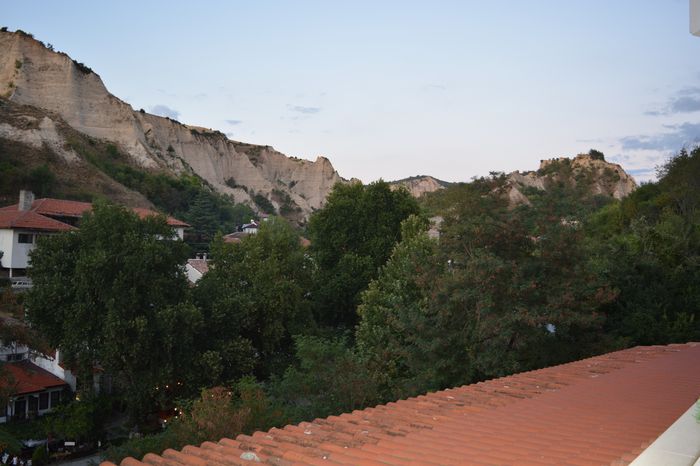
Despite its size, Melnik has an extraordinary historical character. Its location among impressive sandstone pyramids creates a landscape that is unlike almost anywhere else in Bulgaria.
The town developed as an important commercial and cultural centre during different historical periods. Its position along regional trade routes helped establish connections with neighbouring territories and encouraged the development of local craftsmanship and wine production.
Today, Melnik is famous for its traditional Revival-style houses, narrow streets and historic atmosphere.
The Kordopulov House is among its most impressive architectural landmarks. Built during the 18th century, this remarkable residence belonged to a wealthy merchant family and reflects the prosperity of Melnik’s trading community.
Its large windows, decorated interiors, traditional furniture and impressive wine cellar provide an insight into the lifestyle of wealthy Bulgarian families during the National Revival.
Melnik Wine and the Traditions of Southwestern Bulgaria
A visit to Melnik would not be complete without discovering its wine-making traditions.
The region is particularly associated with the indigenous Broad-Leaved Melnik Vine, a grape variety adapted to the local climate and landscape.
Wine production has been part of the area’s identity for generations. Traditional cellars carved into the sandstone hills create ideal conditions for storing wine and represent an important part of the town’s cultural heritage.
Visitors can explore local wine traditions, learn about regional grape varieties and enjoy the distinctive character of southwestern Bulgarian cuisine.
The combination of history, local food and wine makes Melnik an excellent destination for travellers seeking authentic Bulgarian experiences.
Explore More of Bulgaria’s Historical Heritage
Rozhen Monastery and Melnik are only two examples of Bulgaria’s remarkable cultural diversity. The country preserves ancient settlements, medieval fortresses, traditional villages and important UNESCO-listed monuments.
Travellers interested in other historical destinations can also explore Nessebar and its UNESCO World Heritage, where ancient Greek, Roman and Byzantine influences can still be discovered along the Black Sea coast.
For visitors who would like to discuss a personalized cultural journey through Bulgaria and discover destinations such as Melnik and Rozhen Monastery, please Contact Us to explore the possibilities.
A Perfect Day Trip for History and Nature Lovers
Rozhen Monastery and Melnik can comfortably be combined into a day excursion from the surrounding region. Their close proximity allows visitors to enjoy both destinations without spending too much time travelling.
The monastery offers a peaceful introduction to Bulgaria’s religious heritage, while Melnik provides opportunities to discover traditional architecture, local gastronomy and the natural beauty of the Pirin region.
For those who enjoy exploring ancient civilizations, the nearby historical landscape also offers connections with the wider archaeological heritage of Bulgaria, including Perperikon Ancient City Bulgaria.
Whether you are interested in Orthodox monasteries, medieval architecture, wine traditions or spectacular mountain scenery, Rozhen Monastery and Melnik deserve a place on your Bulgarian travel itinerary.